Vibe Coding: How Team Culture Shapes AI Development and Knowledge Sharing
When people talk about vibe coding, a way of working where team culture and informal knowledge transfer drive progress more than formal documentation. It’s not a tool, not a framework—it’s the unspoken rhythm of how smart teams build AI systems without burning out. You’ve probably seen it: a developer leaves a Slack message with a 30-second Loom video showing how they fixed a bug, not a 10-page Confluence doc. Or a team shares a Notion page filled with memes, screenshots of working code, and one-line explanations that somehow make more sense than any official spec. That’s vibe coding. It’s what happens when you stop treating knowledge like a spreadsheet and start treating it like a conversation.
Vibe coding requires trust, and it enables faster onboarding. Teams that use it don’t rely on rigid handoff processes—they use internal wikis, living, messy, human-centered knowledge bases built by developers for developers that grow organically. These aren’t sterile documentation portals. They’re filled with voice notes, screenshots of error messages with scribbled fixes, and videos of someone saying, "Just do this, trust me." And it works. One team cut their new-hire ramp-up time by 70% because they stopped forcing people to read manuals and started letting them watch real people solve real problems. Vibe coding also relates to demo-based learning, a method where understanding comes from watching working examples, not reading theory. You don’t learn how to debug an LLM prompt by reading a whitepaper—you learn by seeing someone else’s screen as they tweak it live.
This isn’t about being unprofessional. It’s about being efficient. In AI projects, where models change weekly and requirements shift daily, formal documentation becomes outdated before it’s published. Vibe coding fills the gap. It’s how teams avoid the trap of "I know how this works, but I can’t explain it." It’s why some teams with smaller budgets outperform ones with more resources—they’re not wasting time writing specs no one reads. They’re recording quick demos, tagging them with keywords like "LLM memory leak" or "prompt compression trick," and letting others find them when they need them. The posts below show you exactly how that looks in practice: from tools that make vibe coding possible, to how to measure its impact, to why it’s the secret weapon behind teams that ship AI products without burnout. You won’t find a single corporate policy here. Just real ways teams are building better AI—by being human first.
Deployment Pipelines from Vibe Coding Platforms to Production Clouds
Vibe coding transforms how apps are built and deployed, turning natural language prompts into live applications in seconds. Learn how Vercel, Netlify, and Cloudflare Workers automate deployment - and why security still matters.
How Startups Use Vibe Coding for Rapid Prototyping and MVP Development

Startups are using vibe coding to build working prototypes in hours instead of months. This AI-powered approach lets founders, product teams, and even non-tech users turn ideas into live apps-slashing costs, speeding up feedback, and finding product-market fit faster than ever.
How Vibe Coding Delivers 126% Weekly Throughput Gains - And Why Most Teams Miss the Real Story

Vibe coding isn't about AI writing code - it's about humans focusing on what matters. Teams using it right see 126% more weekly output by cutting repetitive work, not by working harder. Here's how it really works - and why most miss the real gains.
Talent Markets in the Vibe Coding Era: Skills Employers Reward
In the vibe coding era, employers reward developers who think critically, refine AI output, and ship fast-not those who write code from scratch. Learn the skills that matter now and how to adapt before it's too late.
Compliance Controls for Vibe-Coded Systems: SOC 2, ISO 27001, and More
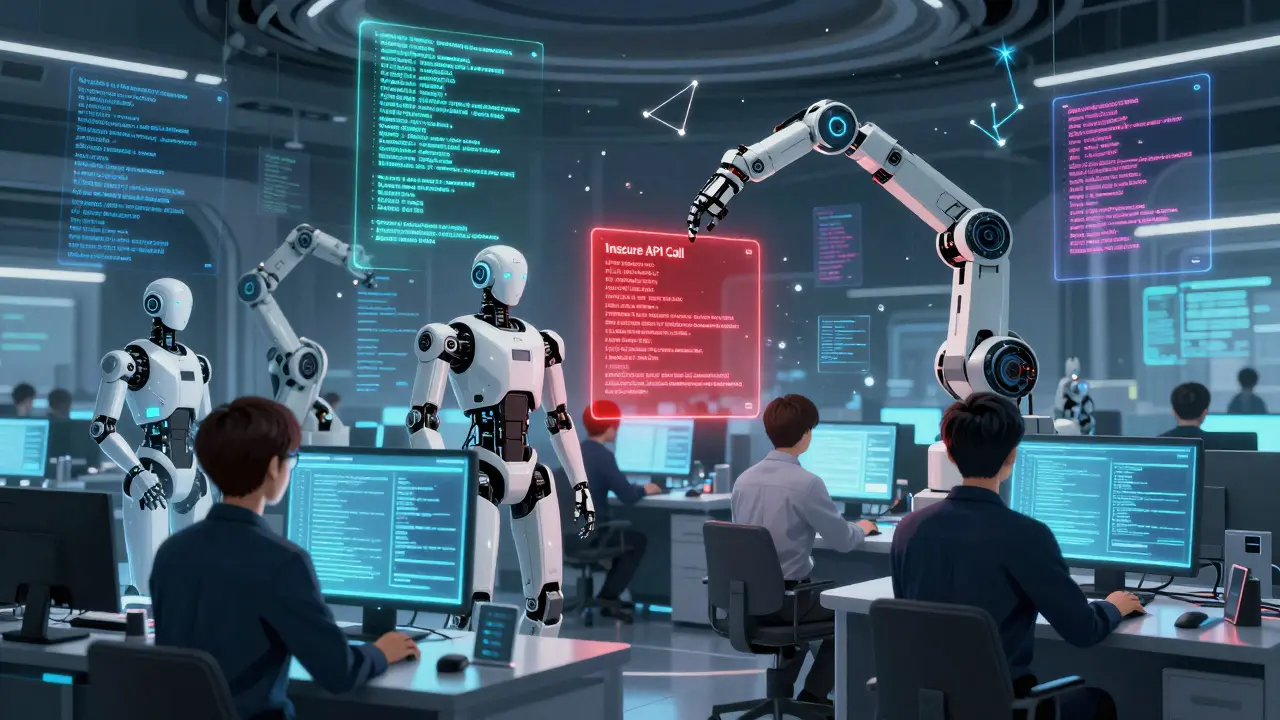
Vibe coding with AI tools like GitHub Copilot is transforming software development - but traditional compliance frameworks like SOC 2 and ISO 27001 can't keep up. Learn the technical controls, industry adoption trends, and real-world risks of AI-generated code compliance in 2026.
Economic Impact of Vibe Coding: How AI-Powered Development Is Reshaping Software Costs and Competition

Vibe coding slashes software development costs by up to 85% but increases long-term maintenance expenses. Learn how AI-powered development is reshaping competition, skills, and economic risks in 2026.
Clean Architecture in Vibe-Coded Projects: How to Keep Frameworks at the Edges

Clean architecture in vibe-coded projects keeps AI-generated code from tainting your core logic with framework dependencies. Learn how to enforce boundaries, use tools like Sheriff, and build maintainable apps faster.
Board-Level Briefing: Strategic Implications of Vibe Coding for 2026

Vibe coding lets non-engineers build software with AI-but at what cost? Boards must understand its risks: hidden tech debt, legal liability, and system failures. Here’s how to use it safely in 2026.
Data Retention Policies for Vibe-Coded SaaS: What to Keep and Purge
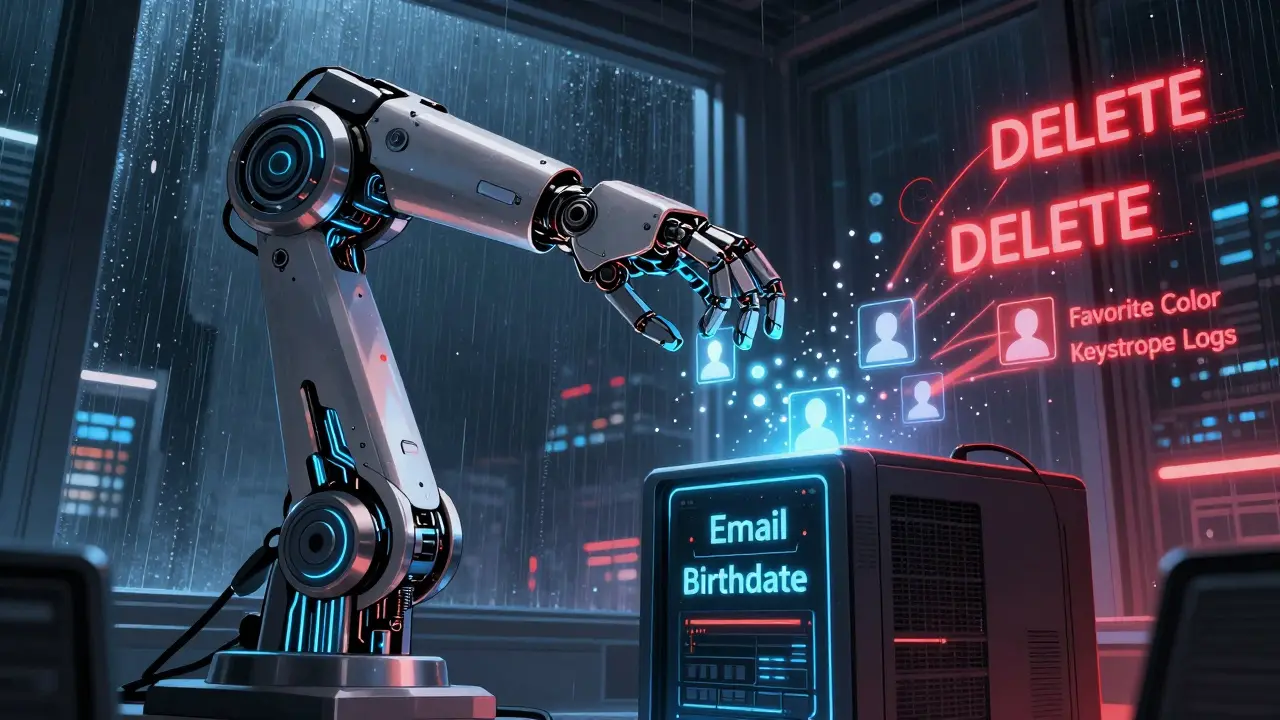
Vibe-coded SaaS apps collect too much data by default. Learn what to keep, what to purge, and how to use precise AI prompts to avoid GDPR fines and reduce storage costs.
Vibe Coding for IoT Demos: Simulate Devices and Build Cloud Dashboards in Hours

Vibe coding lets you build IoT device simulations and cloud dashboards in hours using AI, not code. Learn how to simulate sensors, connect to AWS IoT Core, and generate live dashboards with plain English prompts.
Onboarding Developers to Vibe-Coded Codebases: Playbooks and Tours

Vibe coding speeds up development but creates chaotic codebases. Learn how to onboard developers with playbooks, codebase tours, and AI prompt documentation to avoid confusion and burnout.
Vibe Coding vs AI Pair Programming: When to Use Each Approach

Vibe coding speeds up simple tasks with AI-generated code, while AI pair programming offers real-time collaboration for complex problems. Learn when to use each to boost productivity without sacrificing security or quality.