Autonomous Agents: How AI Systems Work Independently to Solve Real Problems
When we talk about autonomous agents, AI systems that perceive, plan, and act without constant human input. Also known as AI agents, they’re not just chatbots that wait for prompts—they’re digital workers that break down goals, use tools, remember past actions, and adjust on the fly. Think of them like a junior researcher who can search databases, write summaries, check facts, and even flag contradictions—all without you typing a single follow-up question.
These agents rely on large language models, the brain behind their reasoning and language skills to understand what’s needed, and on chain-of-thought reasoning, a method that forces AI to think step-by-step before answering to avoid jumping to wrong conclusions. But they also need memory, tools, and feedback loops. A good agent doesn’t just generate text—it pulls data from spreadsheets, calls APIs, checks for hallucinated citations, and even pauses to ask: "Did I miss something?" That’s why autonomous agents are changing how teams handle research, customer support, and even software testing.
What you’ll find here isn’t theory. These posts show how real teams are building agents that cut literature review time by 90%, catch fake citations before they slip into papers, and reduce AI costs by distilling reasoning from big models into small ones. You’ll see how memory and compute limits shape what agents can do, why security testing matters more than ever, and how even the smartest agent fails without human oversight. This isn’t about futuristic robots. It’s about tools that work today—tools that think, act, and sometimes, make mistakes you need to catch.
Autonomous Agents Built on Large Language Models: What They Can Do and Where They Still Fail
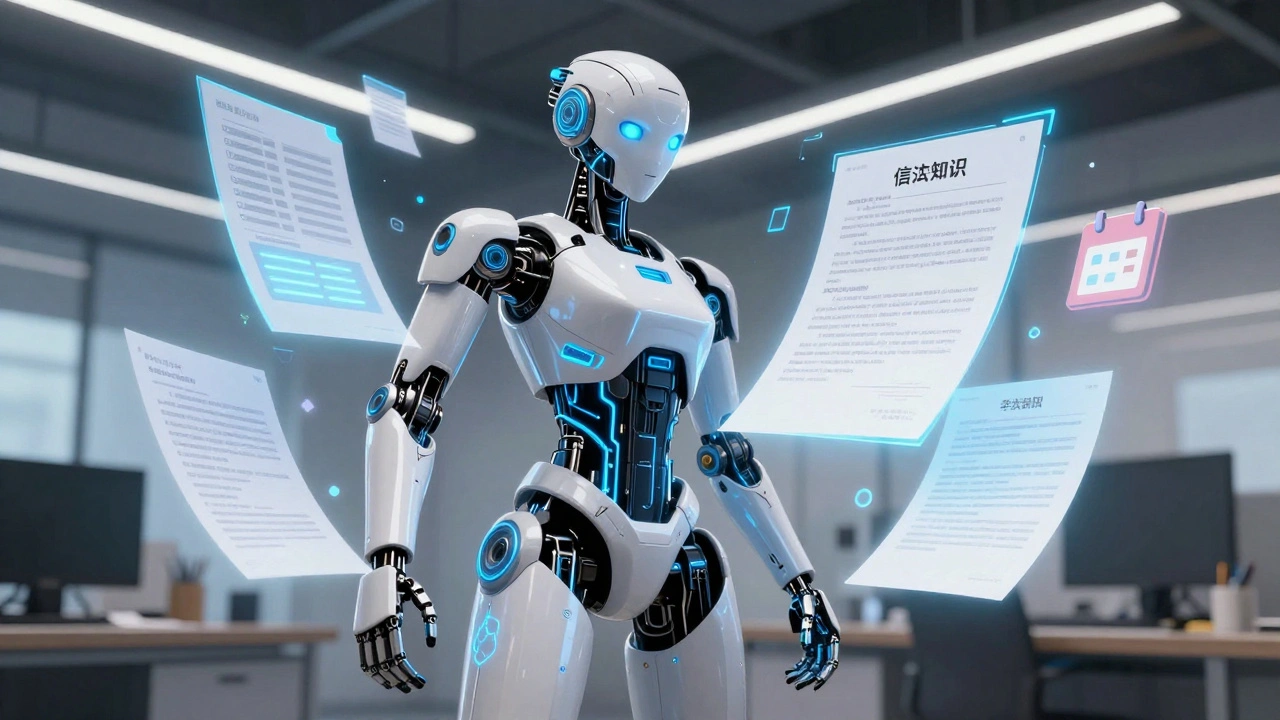
Autonomous agents built on large language models can plan, act, and adapt without constant human input-but they still make mistakes, lack true self-improvement, and struggle with edge cases. Here’s what they can do today, and where they fall short.