Technology in AI: How Transformers, Self-Attention, and Positional Encoding Drive Modern Systems
When we talk about technology, the systems and methods used to build intelligent machines. Also known as AI infrastructure, it's what turns code into tools that write, reason, and create like humans. This isn't just about faster computers—it's about how machines understand language, remember context, and generate human-like responses. At the heart of today's most powerful AI are three key pieces: self-attention, a mechanism that lets models weigh the importance of different words in a sentence, positional encoding, a way to tell the model where each word sits in a sequence, and the transformer architecture, the structural blueprint that combines these ideas into scalable AI systems. Together, they solve a problem older models couldn't: understanding long, complex sentences without losing track of meaning.
Before self-attention, AI relied on rigid, step-by-step processing—like reading a book one word at a time and forgetting the first page by the time you reached the last. Self-attention changed that. It lets the model ask, "Which words here matter most for this meaning?"—whether it's the word "it" in a paragraph or the tone of a question. Positional encoding doesn't just label word order; it gives the model a sense of direction, so "The cat chased the dog" isn't confused with "The dog chased the cat." And the transformer architecture? It’s the engine that makes all this work at scale. It’s why tools like chatbots, summarizers, and image generators can handle thousands of words in seconds. These aren’t abstract ideas—they’re the reason your AI assistant understands sarcasm, your email drafts sound natural, and your design tools turn rough sketches into polished visuals.
What you’ll find here isn’t theory for academics. These posts break down how these technologies actually work in real tools—no jargon, no fluff. You’ll see how self-attention makes AI more accurate, how positional encoding fixes a critical flaw in early models, and why the transformer design became the standard across every major AI platform. Whether you’re building something, choosing tools, or just trying to understand what’s behind the hype, this collection gives you the clear, practical picture you need.
Framework-Aligned Vibe Coding with Wasp for Full-Stack Apps

Wasp is a declarative full-stack framework that generates React, Node.js, and PostgreSQL code from a simple config file, cutting development time by 60-70%. Ideal for MVPs and internal tools.
Self-Attention and Positional Encoding: How Transformers Power Generative AI
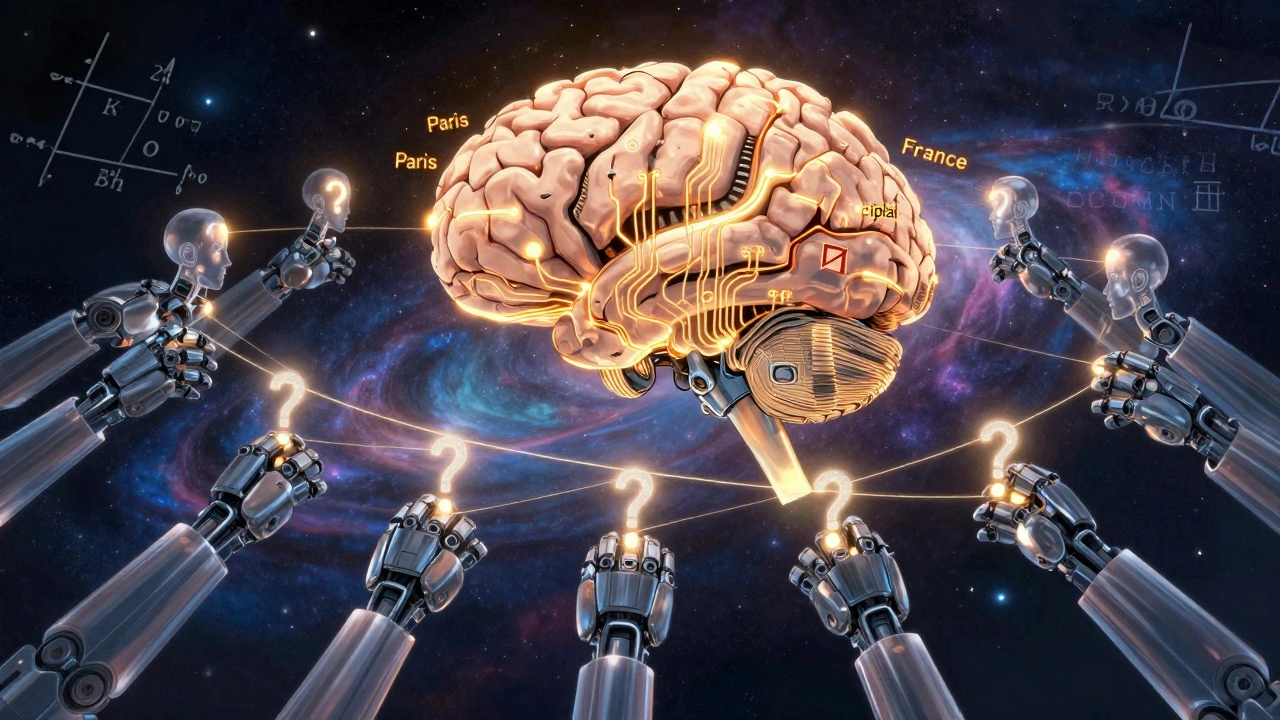
Self-attention and positional encoding are the core innovations behind Transformer models that power modern generative AI. They enable models to understand context, maintain word order, and generate coherent text at scale.